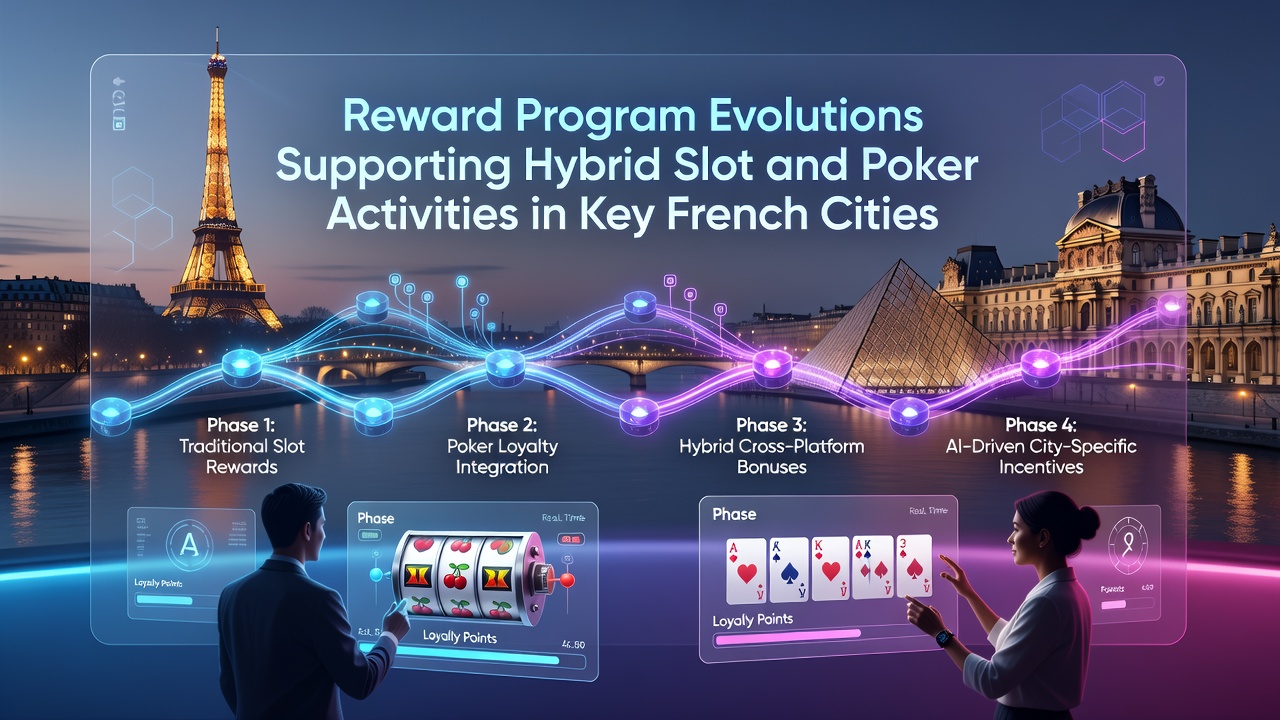
Reward Program Evolutions Supporting Hybrid Slot and Poker Activities in Key French Cities
Hybrid gaming formats that blend slot machines with poker tables have gained traction across major French cities where operators adjust loyalty structures to accommodate both digital and physical play; these evolutions reflect regulatory updates from the Autorité Nationale des Jeux alongside shifting player patterns observed in Paris, Lyon, and Marseille. Data from industry reports show that integrated reward systems now track points across electronic slots and live poker sessions, allowing participants to accumulate benefits without separate accounts for each activity.
Operators in these locations introduced tiered programs during 2025 that carry over into September 2026 with expanded digital interfaces; participants earn multipliers on hybrid sessions where slot spins feed directly into poker tournament entries or cash-game credits. Figures reveal that such linkages increased average session lengths by connecting quick-play slot rewards with longer poker commitments, while maintaining compliance with national gaming statutes that separate land-based and online segments.
Structural Changes in Loyalty Frameworks
Traditional point systems once isolated slot activity from table games, yet recent modifications permit seamless transfers between the two; this adjustment stems from software updates deployed by casino groups operating in urban centers where demand for flexible rewards has risen. Researchers at European gaming institutions note that players in Lyon facilities often alternate between slot banks and poker rooms within single visits, prompting programs to log combined metrics such as total hands played and reels spun.
September 2026 marks the rollout phase for several revised apps that display unified balances across venues; these platforms synchronize data from physical terminals and mobile interfaces, reducing friction for users who split time between electronic machines and live dealer tables. Evidence from operational audits indicates that cities like Paris have seen measurable uptake in cross-format participation since the initial hybrid pilots launched two years prior.
Regional Implementation Patterns
In Marseille, casino properties adapted reward tiers to include seasonal promotions that tie slot jackpots to poker satellite qualifiers; data shows these bundles draw participants who previously focused on one format alone. Lyon operators, meanwhile, integrated city-specific leaderboards that aggregate points from both slot volumes and poker win rates, creating localized competitions that run through the end of 2026.
Paris venues emphasize digital overlays where app notifications alert members to hybrid opportunities, such as converting accumulated slot credits into poker buy-ins at partner tables; this approach aligns with broader trends documented in continental gaming analyses. Observers note that regulatory clarity provided by French authorities has enabled these integrations without overlapping online licensing boundaries.

Data Trends and Participation Metrics
Industry statistics compiled through mid-2026 indicate steady growth in hybrid reward redemptions, with slot-to-poker conversions accounting for a rising share of total redemptions in key markets; one analysis from an international gaming research body highlights that French urban sites report higher retention rates among members enrolled in combined programs compared to single-format alternatives. These patterns emerge because points earned on slots can offset entry fees or enhance rakeback percentages at poker tables, creating measurable incentives tracked through centralized databases.
September 2026 updates further refine these metrics by incorporating real-time dashboards that display progress toward tier upgrades based on mixed activity; operators report that such visibility encourages continued engagement across both formats. External reviews from academic sources on European leisure trends confirm that integrated systems reduce player churn by offering diversified pathways to benefits, though exact percentages vary by city and operator scale.
Technical and Regulatory Supports
Backend systems now handle simultaneous logging of slot reel outcomes and poker hand histories within unified profiles, supported by encryption standards mandated under national oversight; this infrastructure permits accurate point allocation while preserving audit trails required for compliance. French regulatory frameworks distinguish between physical casino operations and remote offerings, yet they permit reward linkages that do not constitute direct online gambling extensions.
Training programs for staff in Paris and Lyon facilities emphasize recognition of hybrid play patterns so that floor personnel can guide members through point redemptions spanning both activities; these efforts coincide with software patches scheduled for deployment ahead of the 2026 autumn period. Data indicates that such coordinated approaches help maintain operational consistency across multiple sites within the same urban network.
Conclusion
Reward program adjustments continue to align with the expansion of hybrid slot and poker offerings in French cities through structured point systems and digital tools that track combined participation. September 2026 represents a milestone for several ongoing refinements, building on established regulatory foundations and operational data collected from Paris, Lyon, and Marseille locations. These developments rest on factual reporting from oversight bodies and industry analyses rather than speculative projections, providing a record of how loyalty mechanisms adapt to mixed-format gaming within defined legal parameters.